The NVIDIA Journey at mu Space
From a ground DGX to a Space-1 design kit
mu Space builds satellite systems, runs a plant, trains vision models, and is now designing compute that has to live in orbit. Compute was never the brand. It was the layer that had to keep up.
The team chose NVIDIA inside that stack because the work was already there not to look like a partner. Projects first. Machines second.
- AIMO teaches cameras to read depth.
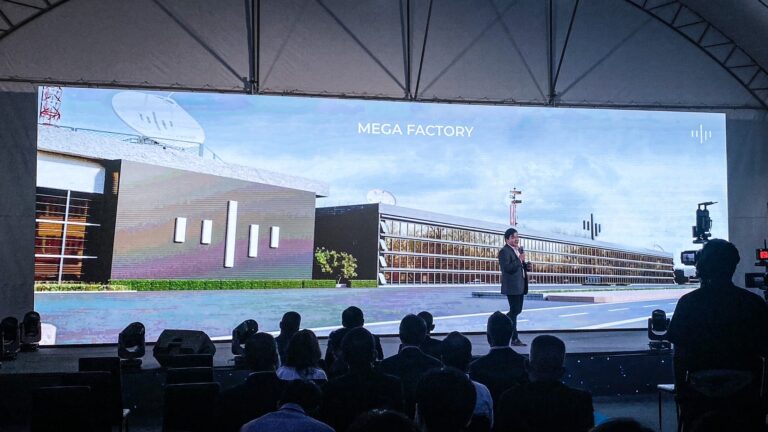
- Mega Factory asks how a working plant should shape the next site.
- NVIDIA Inception is the current chapter: access a team already building orbital compute uses to design Data Center in Space.
Ground first. Orbit second.
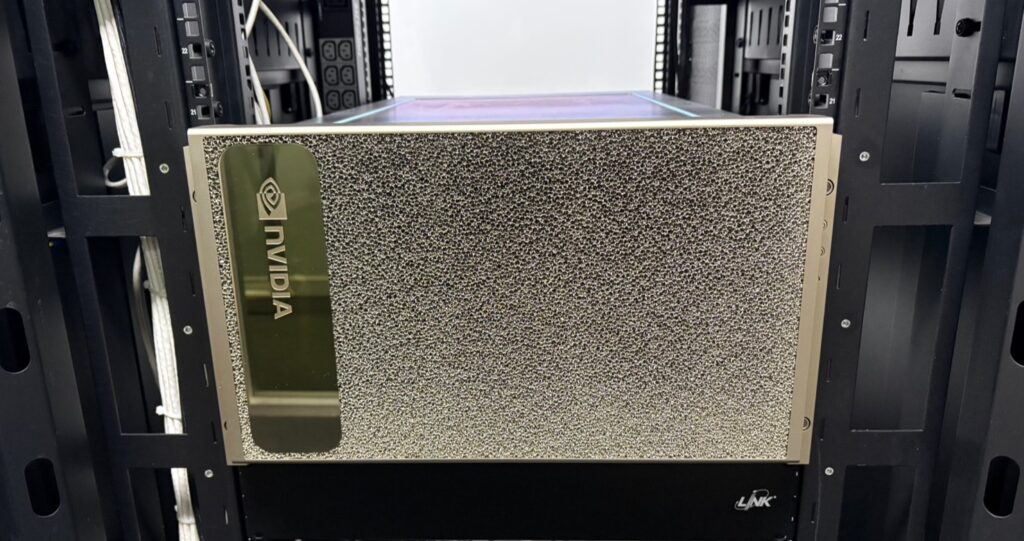
On the ground: what a DGX A100 is
An NVIDIA DGX A100 is a data-center training system. It is built to take large model jobs, keep them on one box, and finish them without sending every experiment to the cloud.
That is why it entered mu Space. The company needed a place to train, not a payload to fly. The DGX sat in a hall, used hall power, and gave engineers a NVIDIA stack they could open: CUDA, training loops, inference.
From that box the projects split.
AIMO
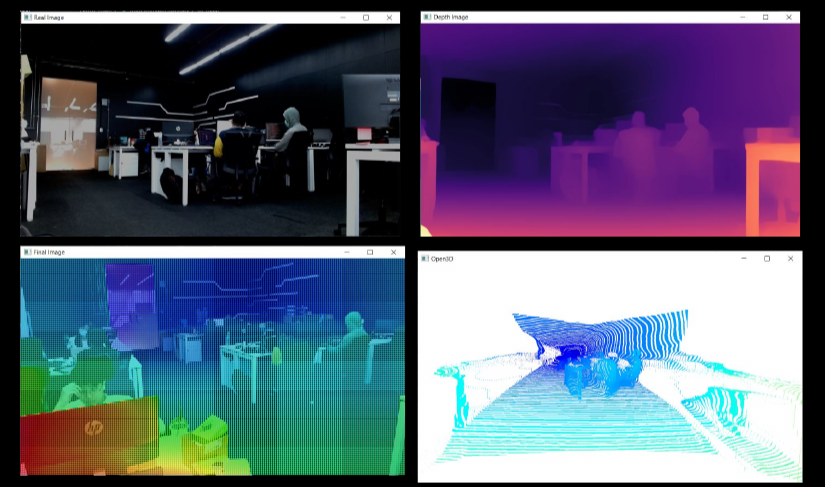
AIMO Advanced Inference Machines for Oculars was the first named job on the DGX.
The project asked whether an ordinary RGB camera could estimate depth and turn a scene into a 3D map. Robots, navigation, and any system that has to know “how far” need that reading. LiDAR is one answer. AIMO tested another: train on the A100, then run the model next to a camera.
That is the ground use of the product in one sentence. NVIDIA DGX A100 trained AIMO. AIMO tried to give a camera a sense of space.
Mega Factory
The second ground thread was the plant itself.
Factory 1 was already running. Mega Factory was the larger site on the roadmap. The idea was not that a GPU draws a building. The idea was that a working factory can be read how people move, how lines are used, how rooms sit in three dimensions and that reading can inform the next plant.
AIMO’s depth maps and the factory data collected around Factory 1 belong in that chapter. The DGX was the computer that made the vision side of that reading possible. Mega Factory remains the destination of that thinking: a bigger, cleaner plant informed by the site the company already operates.
Watch more: TECHDAY 2022 – Connecting you to Space | 9th Dec ’22
RTX for design and Moon Race
Not every NVIDIA product in the building was a DGX.
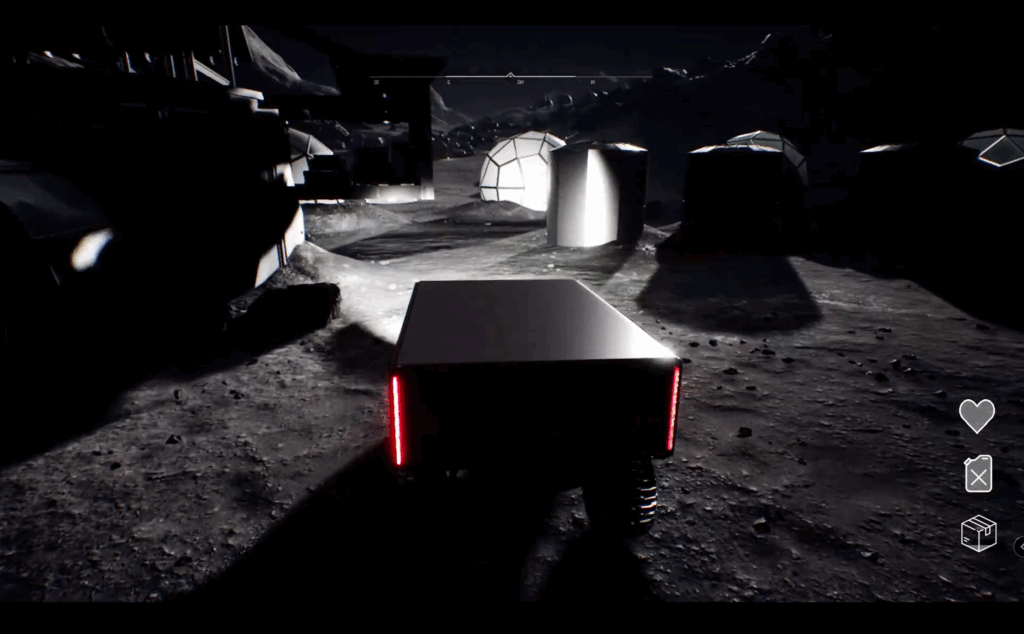
The team also uses NVIDIA RTX GPUs for 3D design work and for Moon Race, the game built as a way to put lunar vehicles and terrain in a world people can move through. Tech-day materials already treated a company game as a bridge between engineering and a playable Moon. RTX is the workstation side of that work: scenes, models, and a race that has to render, not just a server that has to train.
In space: Inception and Vera Rubin Space-1
The DGX and the RTX cards stay on Earth. Orbit needs a different NVIDIA object.
In June 2026 mu Space joined the NVIDIA Inception program. Membership is access: current architectures, software, and technical support for teams building around NVIDIA in a new environment. It is not a launch. It is the door to the next kit.
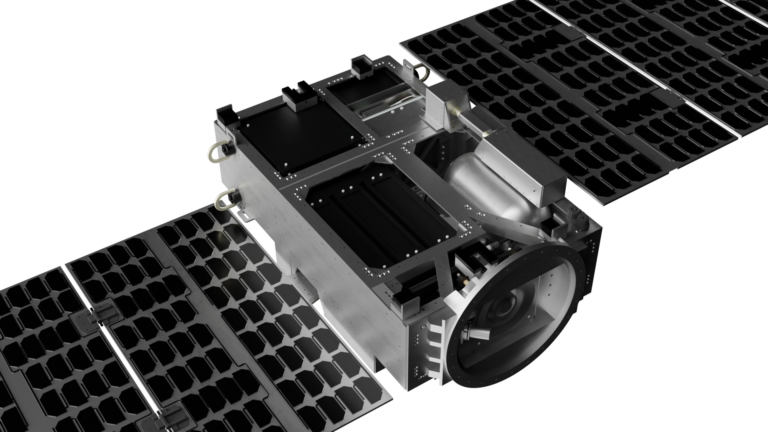
That kit is the Vera Rubin Space-1 chipset development kit.
Data Center in Space, Space IDC is the project that kit is for. The job is to design a compute node that can run AI at the edge on a spacecraft: limited power, heat that must leave as radiation, models that should infer on orbit instead of sending every raw frame home. mu Space will use the Space-1 Vera Rubin devkit to work that design: how the module sits on a bus, how heat moves, how the node is supposed to think. The project is in development.
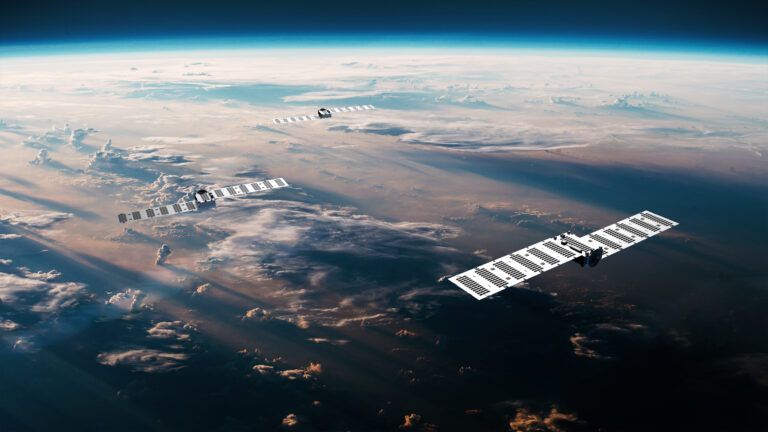
For the next stretch of this journey, the visible work should be the Space-1 Vera Rubin development kit on a Data Center in Space design: how the module sits on a bus, how heat leaves in vacuum, how edge AI is supposed to run on the node. That is design, integration, and test. It is not a Rubin GPU already flying on a mu Space satellite.
The ground chapter is already done in outline. AIMO ran on a DGX A100. Mega Factory used that factory-scale reading as a way to think about the next plant. RTX still carries 3D design and Moon Race. Those remain Earth machines.
The next twelve months of the NVIDIA story, if the path holds, should show a team inside Inception treating Vera Rubin Space-1 as a kit to design against not as a constellation that has already left the pad.
© 2026 NVIDIA, the NVIDIA logo, and Vera Rubin are trademarks and/or registered trademarks of NVIDIA Corporation in the U.S. and other countries.